HOW TO SHOW
AT NEW YORK
FASHION WEEK
Six seasons of producing runway shows in New York, written down. What a show really costs, how many looks you need, when to start, and how to get on a runway this season without building a production company first.
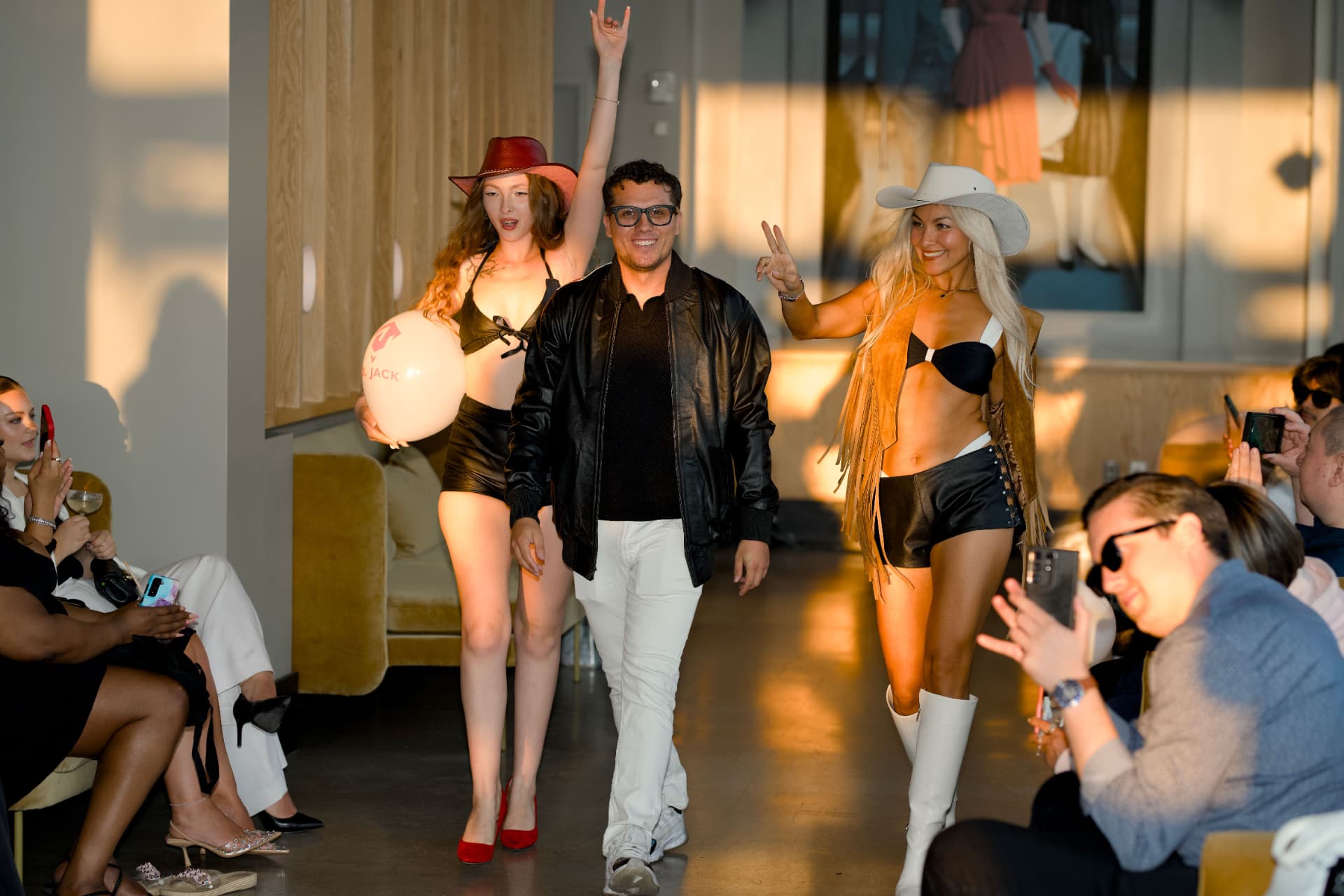
There is more than one way onto a New York runway
New York Fashion Week happens twice a year, in February and September. The official CFDA calendar is curated and largely built around established houses. Around it sits a second, much larger week: independent shows, presentations, showrooms and runway festivals that emerging designers apply to directly.
That second week is where most brands make their debut. Press, buyers and creators move between both, and a well produced independent show gives a young label the same thing a calendar show does: a finished runway moment, professional imagery and a room of people who can write about it, stock it or wear it.
What separates a show that works from one that does not is rarely the venue. It is whether the collection was finished in time, whether the casting suited the clothes, and whether the designer had a plan for the content afterwards.
THE REAL BUDGET
$25,000 and up
Booking your own venue, production crew, casting director, glam team, photographer and PR means carrying every line item yourself. Most emerging brands find this out of reach for a first season.
$2,500 with PostUp
A produced runway slot inside our festival. Venue, staging, lighting, sound, run of show, model casting, hair, makeup, backstage dressers and your runway film are all included for up to 10 looks.
Budget beyond the slot
Sample production, shipping, steaming and repairs, shoes and accessories, and travel for you and your team. Plan these early so the collection is finished well before fittings.
Ten strong looks beat twenty
A runway segment reads in about three to five minutes. Ten to fifteen looks fill that cleanly, which is why our standard slot covers up to 10 looks. Editors remember a tight lineup with one clear idea far longer than a long one that drifts.
Count one model per look unless you plan quick changes, and build a little slack into your sample schedule. Most of the stress on show day comes from garments that arrived the same week.
Start your application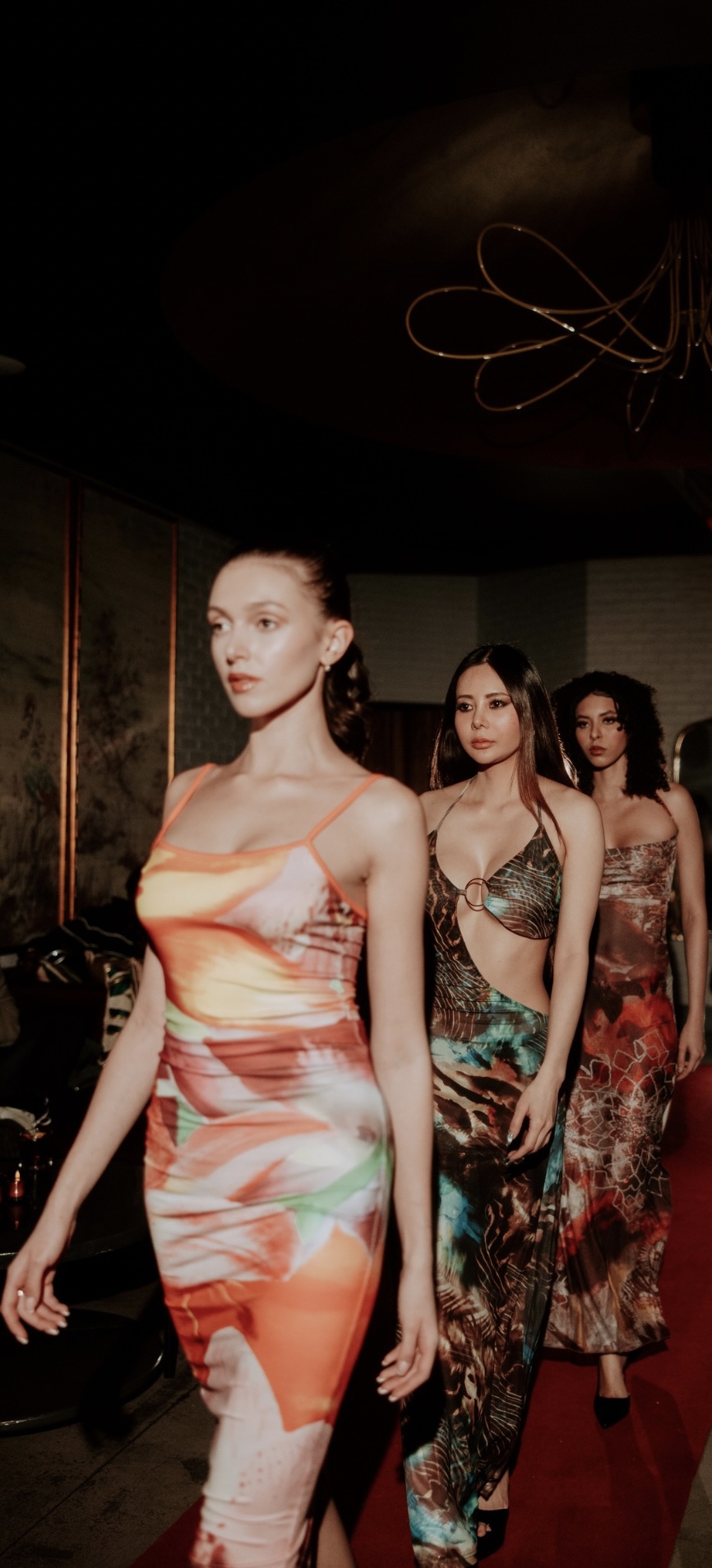
WHEN TO START
6 to 9 months out
Decide the season you are targeting and lock the concept. Apply early, since calendars fill long before the week itself.
4 to 6 months out
Line sheet finalized, samples in production, slot confirmed and agreement signed.
2 to 3 months out
Model casting and fittings, styling decisions, shoes and accessories sourced, press list built.
4 weeks out
Final fittings, run of show, music and lineup locked. Invitations go out to your buyers and press contacts.
Show week
Rehearsal, backstage call time, you walk the finale and leave with your runway film and image set.
The checklist we give every designer
A finished collection
Looks should be sewn, fitted and camera ready, not still in muslin. Judges and buyers read finishing first.
Consistent story
A clear point of view across the lineup matters more than volume. Ten cohesive looks beat twenty scattered ones.
Fit range
Samples that fit standard casting ranges give you far more model options and fewer last minute alterations.
Press assets
A short brand bio, headshot, line sheet and pricing. Editors and buyers ask for these the same night.
A plan for the content
Runway film and stills are the real asset. Decide in advance how you will use them for lookbooks, wholesale outreach and paid social.
DESIGNERS ASK US THIS
Do you have to be invited to show at New York Fashion Week?
The official CFDA calendar is curated, but a large part of the week is made up of independent shows, presentations and festivals that designers apply to directly. Our runway festival takes applications from any brand with a finished collection.
How much does it cost to show at NYFW?
Producing a standalone show in Manhattan generally starts around $25,000 once venue, crew, casting, glam and photography are counted. A slot in our festival is $2,500 for up to 10 looks with $500 due at booking.
How many looks do you need to show?
Ten to fifteen looks is a strong runway segment. We include up to 10 looks in a standard slot and can discuss more on your intro call.
Who attends?
Credentialed press, stylists, retail buyers and content creators sit front of house, with introductions to designers after the show.
When is the next show?
The next PostUp NYC NYFW Runway Festival is February 13 and 14, 2027 in New York City. Applications are reviewed on a rolling basis.